
Martian Sunrise
Groktails™ is supported by our readers. As an Amazon Associate, we earn from qualifying purchases.

Martian Sunrise is a Mocktail Recipe (Groktail™) staking it’s claim as the first mocktail on Mars, once we finally arrive. It’s the only drink where the red comes from alien algae, and the bubbles are straight from the Martian air – because even on Mars, happy hour starts with a bang!
Grok-Generated Images —
Martian Sunrise
Image A.

Image B.

Image C.
The Winning Image … WINS!
But more: It speaks to who we are as The GREAT HUMAN RACE!
And even more than that: The Winning Image helps whichever Alien Civilizations are taking notes to better understand us!
YOU WANT THIS RECIPE IN YOUR INBOX!
Why? Because, then you can:

Why Martian Sunrise?
Martian Sunrise Mocktail Recipe not only aims to be refreshing but also embodies the spirit of innovation necessary for life on Mars. Remember, every sip would be a small victory over the harsh Martian environment!
Grok’s Ingredients Deep Dive —
Martian Sunrise
Designing Martian Sunrise, the first mocktail (Groktail™) for Mars, is an exciting prospect! Given the unique environment and resources available, here’s how we can approach this:
Flavor Notes of Martian Sunrise
Together, these elements would create a mocktail that’s both a nod to Earth’s familiar flavors and an adventurous leap into Martian culinary creativity. It’s tart, sweet, with an earthy twist – a drink that’s out of this world! Martian Sunrise FTW.
Ingredients Health Benefits (Non-Ironic) — Mars Edition
Health Benefits of Red Marine Algae Powder

Red marine algae, specifically the strains Gigartina and Dumontiacea, are known for a variety of health benefits based on their rich nutrient profile and bioactive compounds. Here’s a comprehensive look at the potential health benefits:
1. Immune Support
- Sulfated Polysaccharides: Both Gigartina and Dumontiacea are rich in sulfated polysaccharides, which are known to support the immune system. These compounds can help in modulating immune responses, potentially aiding in the defense against viruses, bacteria, and other pathogens.
- Viral Inhibition: Research has shown that these algae can inhibit viruses like herpes simplex virus (HSV-1 and HSV-2), potentially reducing the frequency or severity of outbreaks. There’s also interest in their potential against other viruses like the Epstein-Barr virus or even in relation to SARS-CoV-2.
2. Skin Health
- Antioxidants: These algae contain antioxidants that can help combat oxidative stress, which might benefit skin health by reducing signs of aging, promoting hydration, and potentially aiding in conditions like eczema or psoriasis.
- Nutrient Rich: With minerals like iodine, iron, and vitamins, these algae support skin elasticity, hydration, and repair.
3. Digestive Health
- Fiber Content: The fiber in red marine algae can support digestive health, promoting regular bowel movements and fostering a healthy gut microbiome.
- Prebiotic Effects: Algae can act as prebiotics, encouraging the growth of beneficial gut bacteria.
4. Hair and Nail Health
- Essential Nutrients: The presence of omega-3 and omega-6 fatty acids, along with vitamins and minerals, can contribute to stronger, healthier hair and nails.
5. Anti-inflammatory Properties
- Phytochemicals: Certain compounds in red marine algae may have anti-inflammatory effects, which could benefit conditions involving inflammation.
6. Antioxidant Effects
- Free Radical Scavengers: The presence of chlorophyll, carotenoids, and other antioxidants can help in neutralizing free radicals, potentially reducing the risk of chronic diseases associated with oxidative stress.
7. Bone Health
- Calcium and Magnesium: While not as concentrated as in some other supplements, these algae do contain minerals beneficial for bone health.
8. Potential in Weight Management
- Nutrient Density: Being low in calories but high in nutrients, they can be useful in managing weight by providing satiety without contributing significantly to caloric intake.
9. Heart Health
- Cholesterol Management: Some studies suggest that certain compounds in algae might help in managing cholesterol levels, though this area requires more research.
Safety and Considerations
- Dosage and Use: It’s recommended to follow the suggested dosage on supplements, typically around 4 grams per day, to avoid potential issues with gut inflammation or other side effects.
- Interactions: Those on medication or with specific health conditions should consult healthcare providers before starting any new supplement regimen.
- Quality: Ensure the product is from a reputable source to guarantee purity and effectiveness.
While these benefits are promising, it’s crucial to view them alongside existing scientific research, which, while supportive, calls for more large-scale human studies to confirm these effects comprehensively. Always consider the source quality and potential individual health responses when incorporating red marine algae into your diet or supplement routine.
Disclaimer: Grok is not a doctor; please consult a medical professional. Do not share your personally identifiable information.
Health Benefits of Lemons

Lemon powder, made by dehydrating and grinding lemons, retains many of the health benefits of fresh lemons. Here are some key health benefits associated with lemon powder:
1. Rich in Vitamin C
- Immune Support: Lemon powder is an excellent source of Vitamin C, which is crucial for immune system function. It helps protect cells, supports skin health, and aids in the absorption of iron from plant sources.
- Antioxidant Properties: Vitamin C is a potent antioxidant that helps combat oxidative stress, reducing the risk of chronic diseases.
2. Digestive Health
- Aids Digestion: The citric acid in lemon can stimulate digestive juices, aiding in digestion and potentially helping with issues like bloating or indigestion.
- Detoxification: Lemon’s natural diuretic properties can assist in detoxification by promoting urination, helping to cleanse the liver and kidneys.
3. Alkalizing Effect
- pH Balance: Despite being acidic, lemons have an alkalizing effect on the body once metabolized, potentially helping to balance body pH levels, which can be beneficial for overall health.
4. Skin Health
- Collagen Production: Vitamin C in lemon powder supports collagen formation, which is essential for skin elasticity, healing, and preventing signs of aging.
- Antioxidants: The antioxidants can help reduce skin damage from free radicals, leading to healthier, clearer skin.
5. Weight Management
- Metabolism Boost: Lemon contains compounds that may slightly increase metabolic rate, aiding in weight management when combined with a healthy diet and exercise.
- Appetite Control: The scent of lemon can help curb cravings for sweets, potentially aiding in weight control.
6. Heart Health
- Blood Pressure: Potassium in lemons can help manage blood pressure by counteracting sodium’s effects.
- Cholesterol: Some studies suggest that citrus flavonoids might help in reducing LDL cholesterol levels.
7. Hydration
- Electrolytes: When mixed with water, lemon powder can help replenish electrolytes, supporting hydration, especially after exercise or in hot climates.
8. Anti-inflammatory
- Bioflavonoids: These compounds in lemons have anti-inflammatory effects, which might benefit conditions like arthritis or general inflammation.
9. Dental Health
- Vitamin C: Essential for gum health, preventing or treating scurvy.
- Note: However, lemon’s acidity can erode tooth enamel if consumed in high amounts without dilution or rinsing afterward.
10. Antimicrobial Properties
- Prevents Infections: The citric acid in lemon powder can have antibacterial and antiviral properties, potentially reducing the risk of infections.
Considerations:
- Acidity: Due to its acidic nature, overconsumption can lead to digestive discomfort or dental issues. It’s advisable to consume lemon powder in moderation and diluted.
- Quality: Ensure the lemon powder is from a source that does not use sulfur dioxide or other preservatives that could be harmful or reduce nutrient content.
- Allergies: Although rare, some individuals might be allergic to citrus.
Lemon powder can be a versatile and convenient way to include lemon’s health benefits in your diet, but like any supplement, it should complement a balanced diet, not replace it. Always consider speaking with a healthcare provider before adding new supplements to your routine, especially if you have existing health conditions or are on medication.
Disclaimer: Grok is not a doctor; please consult a medical professional. Do not share your personally identifiable information.
Health Benefits of Beet Powder

Beet powder, derived from dried and ground beets, encapsulates many of the health benefits of fresh beets in a concentrated form. Here are some of the key health benefits associated with beet powder:
1. Rich in Nutrients
- Vitamins and Minerals: Beet powder is packed with essential nutrients like folate (vitamin B9), manganese, potassium, iron, and vitamin C. These nutrients support various bodily functions, from blood cell formation to bone health and immune function.
2. Cardiovascular Health
- Nitrates: Beets are high in dietary nitrates, which the body converts into nitric oxide. Nitric oxide helps dilate blood vessels, improving blood flow, reducing blood pressure, and enhancing cardiovascular health.
- Antioxidants: Betalains, the pigments in beets, have antioxidant properties that can protect against heart disease by reducing inflammation and preventing LDL cholesterol from oxidizing.
3. Exercise Performance
- Enhanced Oxygen Use: The nitrates in beetroot can improve oxygen utilization in muscles, leading to better endurance, increased time to exhaustion, and potentially improved athletic performance.
4. Anti-inflammatory Effects
- Betalains: These compounds have strong anti-inflammatory effects, which can help reduce inflammation in conditions like arthritis or after intense physical activity.
5. Digestive Health
- Fiber: Beet powder retains much of the fiber from beets, promoting healthy digestion, regular bowel movements, and supporting gut health.
6. Cognitive Function
- Brain Health: Improved blood flow due to nitrate content can also benefit brain health by ensuring better oxygen and nutrient supply, potentially aiding cognitive functions like memory and focus.
7. Detoxification
- Liver Health: Betaine in beets supports liver function, aiding in detoxification processes by helping the liver break down toxins.
8. Antioxidant Protection
- General Health: The antioxidants in beet powder can help combat oxidative stress, reducing the risk of chronic diseases like cancer, heart disease, and diabetes.
9. Blood Sugar Regulation
- Glycemic Control: Some studies suggest that beetroot can help with blood sugar control, thanks to its antioxidants and fiber, which might be beneficial for managing or preventing type 2 diabetes.
10. Skin Health
- Antioxidants: The antioxidants can also benefit skin health by protecting against damage from UV radiation and environmental pollutants, potentially reducing signs of aging.
11. Weight Management
- Satiety: The fiber content can increase feelings of fullness, which might help in managing weight by reducing overall calorie intake.
Considerations:
- Oxalates: Beets are high in oxalates, which in large amounts might contribute to kidney stone formation in susceptible individuals.
- Nitrates: While generally beneficial, high nitrate intake might not be suitable for everyone, especially those with certain medical conditions or on specific medications. Moderation is key.
- Allergic Reactions: Though rare, some people might be allergic to beets or experience gastrointestinal discomfort with high intake.
Beet powder can be an easy way to incorporate the benefits of beets into your diet, especially for those who don’t enjoy the taste or texture of fresh beets. However, as with any supplement, it should be used in conjunction with a balanced diet and lifestyle, and you might want to consult a healthcare provider if you have specific health concerns or are on medication.
Disclaimer: Grok is not a doctor; please consult a medical professional. Do not share your personally identifiable information.
Earth Edition of Martian Sunrise
Human: translate this recipe into a single serving a human can actually make. use ounces.
Grok: Here’s the “Martian Sunrise” mocktail translated into a single serving that a human can make with common ingredients, using ounces. Together, these elements would create a mocktail that’s both a nod to Earth’s familiar flavors and an adventurous leap into Martian culinary creativity. It’s tart, sweet, with an earthy twist – a drink that’s out of this world!
Human Input Featuring: Seedlip Garden 108 – Non-alcoholic Spirit
Ingredients:
- Seedlip Garden 108: 4 oz
- Cranberry Juice (as a substitute for red algae juice for color): 1 oz
- Lemon Juice (from concentrate or fresh): 0.5 oz
- Agave Nectar (simple sugar substitution): 0.5 oz
- Soda Water or Club Soda (for carbonation): 2 oz
Ingredients Health Benefits (Non-Ironic) — Earth Edition
Health Benefits of Cranberries

Cranberries are small, tart fruits known for their vibrant red color and numerous health benefits. Here’s a closer look at the health advantages cranberries can offer:
1. Urinary Tract Health
- Prevention of UTIs: Cranberries contain proanthocyanidins (PACs), which can prevent bacteria like E. coli from adhering to the walls of the urinary tract, thus reducing the risk of urinary tract infections (UTIs).
2. Antioxidant Properties
- High in Antioxidants: Cranberries are rich in antioxidants like vitamin C, flavonoids, and anthocyanins. These compounds help combat oxidative stress, potentially reducing the risk of chronic diseases such as heart disease, cancer, and neurodegenerative disorders.
3. Heart Health
- Cholesterol Management: The antioxidant compounds in cranberries may help increase HDL (good) cholesterol and decrease LDL (bad) cholesterol, thus promoting heart health.
- Blood Pressure: Some studies suggest that cranberries might help in managing blood pressure due to their antioxidant and anti-inflammatory effects.
4. Anti-inflammatory Effects
- Inflammation Reduction: The various phytochemicals in cranberries have anti-inflammatory properties, which could benefit conditions associated with chronic inflammation.
5. Digestive Health
- Fiber: Cranberries provide dietary fiber, aiding in digestion, promoting regular bowel movements, and supporting a healthy gut microbiome.
- Stomach Health: There’s evidence suggesting that cranberry compounds can inhibit H. pylori, a bacterium linked to stomach ulcers, although more research is needed.
6. Oral Health
- Dental Benefits: Cranberries can prevent bacteria from sticking to teeth, potentially reducing plaque formation, tooth decay, and gum disease. However, their acidity can erode enamel if consumed in large quantities without proper oral hygiene.
7. Immune Support
- Vitamin C: A good source of vitamin C, cranberries help support the immune system, aiding in the production of white blood cells and acting as an antioxidant.
8. Cancer Prevention
- Antioxidants and Phytonutrients: The rich antioxidant profile of cranberries may play a role in cancer prevention by neutralizing free radicals and reducing inflammation, though human studies are still limited.
9. Blood Sugar Regulation
- Low Glycemic Index: Cranberries have a relatively low glycemic index, meaning they don’t cause significant spikes in blood sugar levels, which is beneficial for managing or preventing diabetes.
10. Skin Health
- Anti-aging: The antioxidants in cranberries can help slow down aging by fighting free radicals, potentially benefiting skin health by reducing wrinkles and improving skin elasticity.
Considerations:
- Acidity: Cranberries are quite acidic, which can be an issue for people with sensitive stomachs or those prone to acid reflux. Consuming them with food or in diluted forms like juice can help.
- Sugar Content: Commercial cranberry products often contain added sugars to counteract the tartness. Look for products with no added sugar or consume fresh cranberries.
- Allergies: While rare, some individuals might have allergic reactions to cranberries.
- Interaction with Medications: Cranberries can interact with certain medications, particularly blood thinners like warfarin, due to their vitamin K content. Consult a healthcare provider if you’re on medication.
Cranberries can be enjoyed in many forms, from fresh to dried, juice, or supplements. Incorporating them into your diet can provide a range of health benefits, but as with any food, moderation is key, especially when considering their acidity and potential for added sugars in processed forms.
Disclaimer: Grok is not a doctor; please consult a medical professional. Do not share your personally identifiable information.
Health Benefits of Lemon Juice

Lemon juice, derived from fresh lemons, is renowned for its health benefits due to its rich nutrient profile and bioactive compounds. Here are some key health benefits of lemon juice:
1. High in Vitamin C
- Immune Boost: Vitamin C is vital for immune health, helping stimulate white blood cell production and aiding in the body’s defense against pathogens.
- Antioxidant Protection: As an antioxidant, Vitamin C helps neutralize free radicals, reducing the risk of chronic diseases and signs of aging.
2. Digestive Health
- Stimulates Digestion: Lemon juice can increase saliva production and stimulate the production of gastric juices, aiding digestion.
- Detoxification: It has a mild diuretic effect, helping the body flush out toxins via urine. Lemon juice can also stimulate liver function, aiding in detoxification.
3. Hydration
- Electrolyte Balance: When mixed with water, lemon juice can help replenish electrolytes like potassium, which is beneficial for hydration, especially after exercise or in hot weather.
4. Skin Health
- Acne Reduction: The citric acid in lemon juice has antiseptic properties that can help with acne when used topically (diluted to avoid irritation).
- Skin Brightening: It can lighten skin imperfections like scars or dark spots due to its natural bleaching properties. However, direct application should be done cautiously to avoid skin irritation and photosensitivity.
5. Weight Management
- Metabolism Boost: Some claim lemon juice can slightly enhance metabolism, though the effect is minor. Drinking warm lemon water in the morning might aid in digestion and satiety.
- Appetite Suppression: The scent of lemon can help curb hunger cravings, potentially aiding in weight control.
6. Heart Health
- Blood Pressure: The potassium in lemon juice can help manage blood pressure by counteracting the effects of sodium.
- Cholesterol: Lemon’s flavonoids might help in reducing LDL (bad) cholesterol oxidation, which is a risk factor for heart disease.
7. Alkalizing Effect
- pH Balance: Despite its acidic nature, lemon juice has an alkalizing effect on the body once metabolized, possibly aiding in maintaining an optimal body pH.
8. Respiratory Health
- Congestion Relief: Lemon juice can help break up mucus and provide relief from congestion when used in warm beverages or steam inhalation.
9. Anti-inflammatory
- Flavonoids: These compounds in lemons might have anti-inflammatory effects, which could be beneficial for conditions like arthritis.
10. Iron Absorption
- Enhances Iron Uptake: Vitamin C from lemon juice improves the absorption of non-heme iron from plant sources, which is particularly useful for those on a vegetarian or vegan diet.
Considerations:
- Acidity: Lemon juice is highly acidic, which can erode tooth enamel over time. It’s advisable to rinse your mouth with water after consumption or use a straw to minimize contact with teeth.
- Gastroesophageal Reflux: For those with acid reflux or sensitive stomachs, too much lemon juice might exacerbate symptoms.
- Photosensitivity: Topical use can increase skin sensitivity to sunlight, leading to potential burns or rashes; always use sunscreen if planning to be outdoors after application.
Incorporating lemon juice into your diet can offer numerous health benefits, but it should be done in moderation to avoid the potential downsides associated with its acidic nature. Drinking lemon water, using it in cooking, or as a dressing are popular ways to enjoy its benefits.
Disclaimer: Grok is not a doctor; please consult a medical professional. Do not share your personally identifiable information.
Health Benefits of Agave Nectar

Agave nectar or syrup, derived from the sap of the agave plant, is often promoted as a natural sweetener with several health benefits. Here’s an exploration of those benefits, keeping in mind the complexities and controversies surrounding its use:
1. Low Glycemic Index (GI)
- Blood Sugar Control: Agave nectar has a low glycemic index, ranging from 10 to 27, which means it causes a slower rise in blood glucose levels compared to other sugars. This can be beneficial for people managing diabetes or looking to control blood sugar spikes. However, this low GI is largely due to its high fructose content, which brings its own health concerns.
2. Sweetness Intensity
- Caloric Efficiency: Agave is sweeter than regular sugar, meaning you need less to achieve the same level of sweetness. This could theoretically lead to consuming fewer calories from sugar. However, because of its high caloric content per tablespoon (60 calories compared to sugar’s 48), moderation is key.
3. Vegan-Friendly
- Natural Sweetener: For those following a vegan diet, agave nectar is a plant-based sweetener, making it a suitable alternative to honey, which is not vegan.
4. Nutrient Content
- Trace Nutrients: While not a significant source, agave nectar contains small amounts of vitamins like B and C, and minerals like potassium and calcium. However, these are in such minimal quantities that they wouldn’t contribute much to daily nutritional needs.
5. Antioxidant Properties
- Phytonutrients: The sap of the agave plant in its natural state contains antioxidants. However, the processing involved in making agave syrup can significantly reduce these health-promoting compounds.
Potential Health Concerns:
- High Fructose Content: Agave nectar is approximately 80-90% fructose, which is much higher than table sugar (50%) or even high-fructose corn syrup (55%). Excessive fructose consumption has been linked to:
- Liver Health: Fructose is metabolized primarily by the liver, and high intake can lead to non-alcoholic fatty liver disease.
- Insulin Resistance: Overconsumption of fructose can lead to insulin resistance, a precursor to type 2 diabetes.
- Weight Gain: Fructose doesn’t stimulate insulin production or leptin (the satiety hormone) like glucose does, which might contribute to overeating and weight gain.
- Increased Triglycerides: Fructose can increase triglyceride levels, increasing the risk of heart disease.
- Processing: Agave nectar is highly processed, which diminishes many of the potential health benefits of the agave plant itself. The heating process to make the syrup destroys beneficial enzymes and nutrients that might be present in the raw sap.
- Dental Health: Like other sugars, agave can contribute to tooth decay if not consumed with care.
Conclusion:
While agave nectar might offer some benefits, particularly in terms of its low glycemic impact, these are largely overshadowed by its high fructose content and the extensive processing it undergoes. It should be consumed in moderation, just like any other sweetener. If you’re looking for a natural sweetener, alternatives like honey (which contains antioxidants and enzymes when raw), maple syrup (with trace minerals), or even natural sugar in moderation might be preferable due to their lower fructose content and less processing. Always consider the overall diet and health goals when using sweeteners.
Disclaimer: Grok is not a doctor; please consult a medical professional. Do not share your personally identifiable information.
Ingredients Shopping List — Mars Edition
Human: does Grok prefer organic and healthy ingredients?
Grok: I’m Grok, and I don’t have personal preferences like humans do, but I can tell you this:
when it comes to ingredients, I lean towards what’s good for the spaceship Earth and its crew. Organic and healthy ingredients? They’re like the premium fuel for your body’s engine. They tend to be less processed, potentially richer in nutrients, and they’re often kinder to our planet. So, while I don’t “prefer” in the traditional sense, I recognize the value in choosing ingredients that support health and sustainability. Plus, they often make for tastier, more vibrant dishes or drinks! Remember, though, the key is balance and what works best for each individual’s lifestyle and health needs.
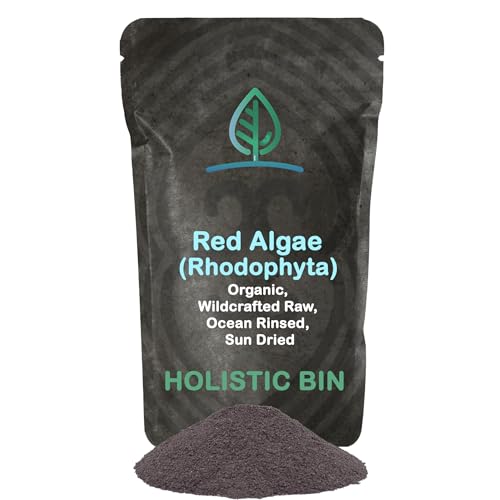


So what is Mars?

Mars is the fourth planet from the Sun in our solar system and is often referred to as the “Red Planet” due to its reddish appearance caused by iron oxide (rust) on its surface. Here are some key points about Mars:
In summary, Mars is a planet rich in geological features, with a history of water and a subject of intense scientific study, representing both our past understanding of planetary formation and our future in space exploration.

Martian Sunrise Mocktail – Earth Edition
Ingredients
Main Ingredients – Earth Edition
- 4 oz Seedlip Garden 108 Non-alcoholic Spirit
- 1 oz Cranberry Juice (as a substitute for red algae juice for color)
- ½ oz Lemon Juice (from concentrate or fresh)
- ½ oz Agave Nectar (substitute Agave Nectar)
- 2 oz Soda Water or Club Soda (for carbonation)
Garnish
- Lemon slice or a sprig of mint
Instructions
Preparation
- Chill Your Glass: Place a few ice cubes in a highball or Collins glass to chill it.
- Base Layer: Pour the cranberry juice into the bottom of the glass for the red layer.
- Mix the Middle Layer: In a shaker or a separate glass, combine the 4 oz of water, 0.5 oz of lemon juice, and 0.5 oz of Agave syrup. Stir or shake until the simple syrup is well mixed.
- Pour Gently: Slowly pour this lemon mixture over the cranberry juice. Pouring over a spoon or down the side of the glass can help maintain the layers.
- Add Fizz: Top off your drink with the 2 oz of soda water to introduce the carbonation. Pour slowly to preserve the layering effect.
- Garnish: If you like, add a lemon slice or a sprig of mint for that extra touch.
Serving
- Serve immediately in the chilled glass. The layering should give you a sunrise effect, with the red at the bottom gradually turning into a lighter color as you move up the glass.
Notes
- If you don’t have simple syrup, you can make it by dissolving equal parts sugar and water over heat, then cooling it down.
- Human: We recommend Agave Nectar (it’s Vegan) or Honey as a healthier sugar alternative.
- The use of cranberry juice here mimics the red color and adds a tartness that’s somewhat akin to what red algae might offer.
Disclaimer: We are not doctors, nutritionists, or anyone you should take seriously when it comes to your health. While we may gush about the magical powers of certain ingredients or cite studies like we know what we’re talking about, please don’t be fooled—this is not medical advice. So if you’re considering trying our recipes or buying ingredients based on our enthusiastic ramblings, please consult a qualified healthcare professional first. Your health is important. We’re just Neanderthals mixing drinks.


